
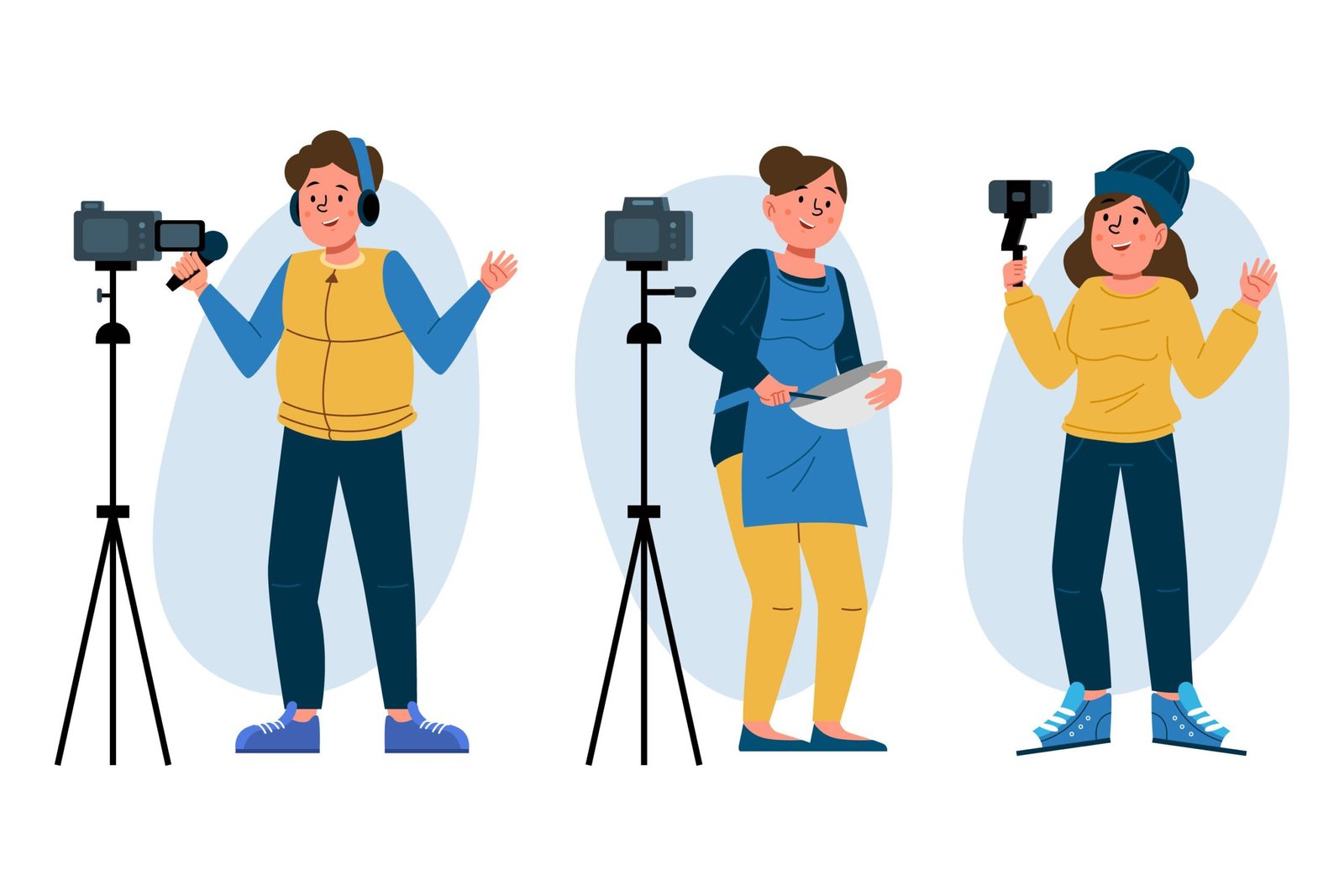
When creators think of upgrading their camera, most assume they need the latest mirrorless body or a cinematic lens.
In reality, vlogging cameras are about speed, reliability, and ease of use — not specs on paper.
The right vlogging camera helps you:
- Start recording quickly
- Stay in focus while talking
- Handle indoor lighting without stress
- Film consistently without technical distractions
For YouTubers, especially solo creators, simplicity beats complexity every time.
📸 What Makes a Camera “Good for Vlogging”?
A vlogging camera isn’t defined by brand or price.
It’s defined by how well it supports one-person content creation.
Key traits that actually matter:
- Fast and reliable autofocus
- Flip or articulating screen
- Good internal stabilization
- Clean video output without overheating
- Decent battery life or USB power support
If a camera slows you down, you’ll use it less — no matter how good the image looks.
🤔 Do Beginners Really Need a Dedicated Vlogging Camera?
Not always.
Many creators start with:
- Smartphones
- Webcams
- Entry-level cameras they already own
A dedicated vlogging camera makes sense when:
- You record frequently
- You want better low-light performance
- You shoot handheld or while moving
- You want more control over framing and color
The upgrade should feel like removing friction, not adding steps.
⚠️ Common Vlogging Camera Mistakes to Avoid
Creators often overspend or misjudge their needs. Watch out for these:
- Buying large cameras for desk-based videos
- Ignoring autofocus behavior for face tracking
- Choosing cameras with poor battery performance
- Overlooking overheating limits
- Focusing on resolution instead of consistency
A stable 1080p camera you enjoy using beats a 4K camera you avoid turning on.
🎒 Compact vs Mirrorless — Which Is Better for You?
Compact vlogging cameras are great for:
- Daily filming
- Handheld shots
- Travel and on-the-go content
- Minimal setup creators
Mirrorless cameras are better when:
- You want interchangeable lenses
- You shoot varied content styles
- You plan to grow into more advanced setups
- You’re comfortable learning camera settings
Neither is “better” — the best choice is what fits your workflow today.
💡 Stabilization, Autofocus & Audio — The Real Trio
Three things quietly define viewer experience:
Stabilization
Shaky footage breaks trust quickly. Even basic electronic stabilization helps.
Autofocus
Face-tracking autofocus is critical for solo creators. Manual focus is risky for talking-head videos.
Audio Input
A camera with a mic input gives you upgrade freedom later. Clean audio > sharper video.
For a full comparison of the best vlogging cameras available in India, including beginner picks, compact options, and creator-friendly recommendations, explore our complete guide:
👉 Best Vlogging Cameras for YouTubers in India (2026)
🧠 Final Takeaway
A vlogging camera should get out of your way.
If it:
- Turns on quickly
- Keeps you in focus
- Handles indoor lighting well
- Doesn’t demand constant troubleshooting
…it’s doing its job.
Choose tools that support consistency — because consistency builds channels.